Choosing between Invisalign braces and traditional metal braces is one of the most common orthodontic decisions adults and teens face in 2026, and understanding the key differences can help patients in Paradise Valley, AZ, make a confident choice. Both options can effectively straighten teeth and correct bite issues, but they work differently and suit different lifestyles. This article breaks down each treatment across the areas that matter most: visibility, comfort, treatment time, candidacy, and daily habits.
How Invisalign Braces and Traditional Braces Actually Work
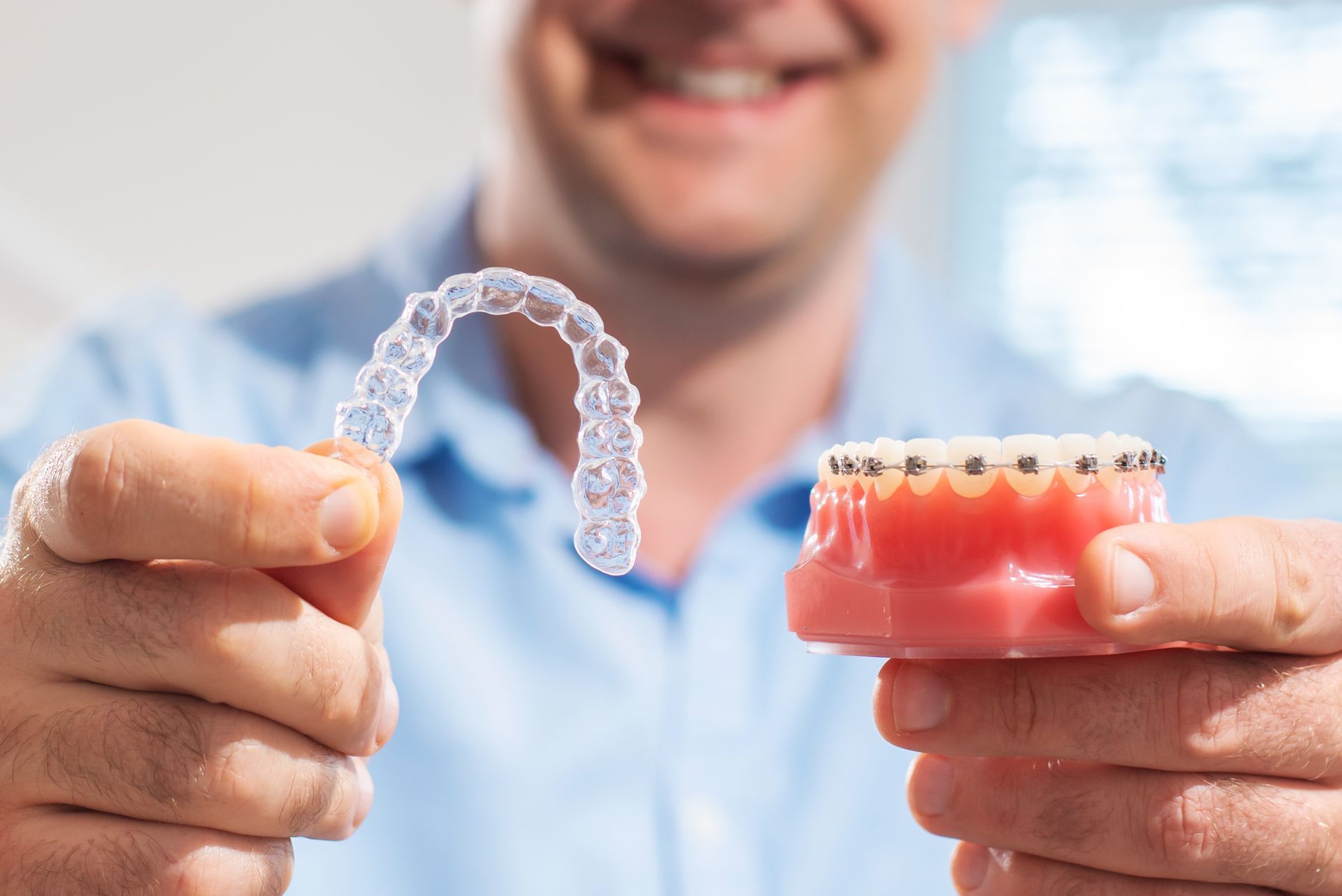
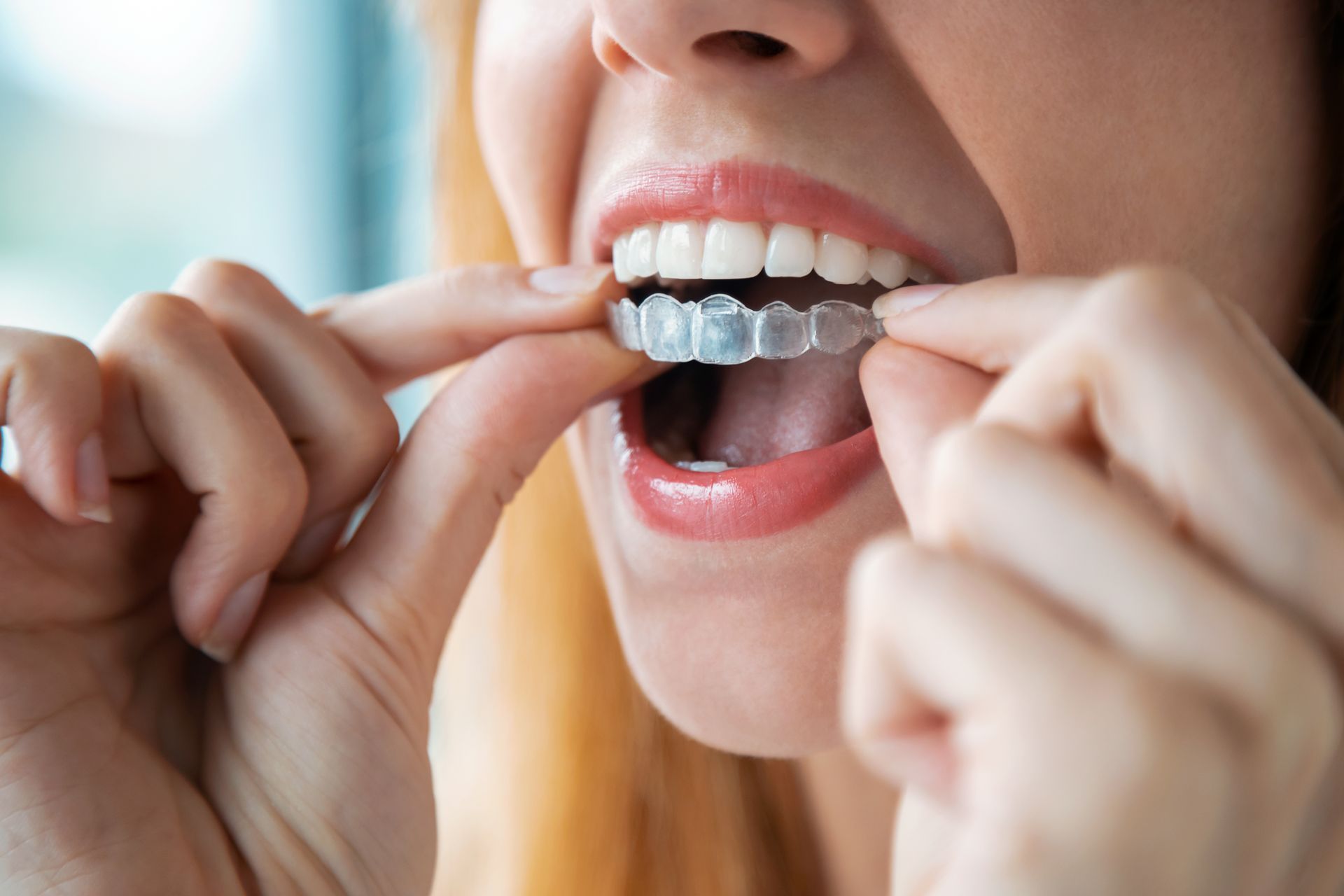
Both treatments move teeth gradually using consistent, gentle pressure. Invisalign braces use a series of custom-made, removable clear aligners that are swapped out roughly every one to two weeks. Each new set nudges teeth a little closer to their target position. Traditional metal braces use brackets bonded to each tooth, connected by wires that a dentist tightens at regular appointments. The core goal is the same. The method, experience, and day-to-day routine are quite different.
Visibility and Comfort: Which Option Feels Better?
Clear aligners are nearly invisible. Most people around you will not notice them at all. That matters a great deal to working adults and teens in Paradise Valley, AZ, who want orthodontic treatment without drawing attention to their care. Traditional braces are noticeable. Brackets and wires are visible when you smile or speak, which some patients find uncomfortable socially.
On the comfort side, clear aligners have smooth plastic edges and no metal components. New aligner trays may cause mild pressure for a day or two, but there are no brackets to poke soft tissue. Traditional braces can cause irritation to cheeks and gums, especially after tightening appointments. Over-the-counter wax can help, but some discomfort is expected throughout treatment.
Who Is a Good Candidate for Each Treatment?
Invisalign braces work well for patients with mild to moderate crowding, spacing issues, or certain bite problems. They are a popular choice for adults who want flexibility and discretion. Patients who travel frequently or play contact sports may find the removable nature especially practical. Mouthguards can be worn over clear aligners, or aligners can simply be removed during play.
Traditional braces are often the better choice for more complex orthodontic cases. Severe crowding, significant overbites, underbites, and crossbites may respond more predictably to the precise control that fixed brackets and wires provide. Younger patients who might not wear removable aligners consistently enough may also do better with traditional braces.
One important factor with Invisalign braces is compliance. Aligners must be worn 20 to 22 hours per day to stay on schedule. Removing them for longer periods can extend treatment time. Traditional braces work around the clock automatically since they cannot be taken out.
Treatment Time and the Arizona Lifestyle
Treatment time varies by case complexity. Mild corrections may wrap up more quickly with clear aligners, while traditional braces may be needed longer for more complex movements. A dental consultation is the only reliable way to estimate your personal timeline.
Living in the Phoenix metro area means spending time outdoors year-round. The Sonoran Desert heat makes hydration essential, and drinking water with aligners in place is fine. However, patients should remove aligners before drinking anything other than plain water to avoid staining or warping the plastic. In that way, the active, outdoor lifestyle common around Paradise Valley, AZ, pairs well with the simplicity of clear aligner care.
What Happens to My Diet During Treatment?
With Invisalign, there are no food restrictions. Remove your aligners, eat what you like, then brush before reinserting. With traditional braces, hard or sticky foods like popcorn, raw carrots, hard candies, and chewing gum can damage brackets or wires and should be avoided throughout treatment. Patients who enjoy a varied diet often find clear aligners more convenient.
Can Invisalign Braces Fix a Serious Bite Problem?
Invisalign technology has advanced significantly, and modern aligners can address a wider range of bite issues than earlier versions could. However, severe skeletal misalignment or complex bite corrections may still require traditional braces or a combination approach. Only a qualified dentist can evaluate X-rays and bite patterns to determine which treatment is right for a given patient.
Ready to Explore Your Options in Paradise Valley, AZ?
The best way to know which treatment fits your needs is a one-on-one consultation. Desert Dental, serving Paradise Valley, AZ, offers
Invisalign braces as part of a comprehensive range of orthodontic and cosmetic services. The team uses advanced 3D imaging and digital scanning to assess your alignment and help you understand your options clearly before committing to any treatment.
Whether you are drawn to the near-invisibility of clear aligners or need the predictability of traditional braces for a more complex case, a personalized evaluation makes all the difference. Call
(602) 996-0166 to schedule your consultation, or
contact the team online to ask questions and choose a time that works for you. You can also learn more about the practice and read patient reviews on
Desert Dental before your visit.